August Specials — Buy More, Glow More with Exclusive Savings on V-Tone, Forma V, Morpheus V, PRP Hair Restoration & Evolve X!
Understanding Botox Side Effects: A Complete Guide
By Dr. Robin Arora, MD
Published on December 8, 2025
Botox injections rank among the most popular cosmetic treatments worldwide, with millions of procedures performed annually. While known for its wrinkle-reducing properties, understanding potential Botox side effects is crucial for anyone considering this treatment. This comprehensive guide covers common reactions, recovery expectations, and essential aftercare practices. For clinical background on the mechanism and safety profile, see the NCBI Bookshelf review.
What is Botox and How Does It Work?
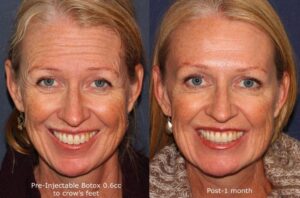
Botox (onabotulinumtoxinA) is a purified neurotoxin that temporarily relaxes muscles by blocking nerve signals. When injected into specific facial areas, it reduces the appearance of dynamic wrinkles—those formed by repeated muscle movements. Understanding this mechanism helps explain why certain side effects occur: the toxin targets nerve-muscle connections, effects are localized to injection sites, and results are temporary, typically lasting three to four months.
Common Botox Side Effects
Injection Site Reactions
The most frequently reported side effects occur at injection sites and include redness, swelling, mild tenderness, and temporary bruising. These reactions typically resolve within 3–7 days and are considered normal responses to the procedure.
Botox Bruising
Bruising after Botox occurs in a proportion of patients and usually appears as purple or blue discoloration with mild swelling and tenderness. Most bruising fades within a week and can be minimized by avoiding blood thinners before treatment.
For general patient information about expected post-procedure signs and symptoms, consult the Mayo Clinic guide.
Botox Headache
Post-treatment headaches affect a subset of patients and typically begin within 24–48 hours, feeling like tension-type headaches that usually resolve within a few days. For clinical studies and reported incidence, see the PubMed Central article.
“Most side effects are mild and temporary, resolving within days to weeks.”
Recovery Time and Treatment Timeline
Typical Botox Recovery Time
Most patients can resume normal activities immediately, though they should expect mild swelling for 24–48 hours, possible bruising for up to seven days, and full visible results within about 14 days.
How Long Until Botox Works?
The timeline for Botox results commonly follows this pattern: initial effects at 3–5 days, maximum results by 10–14 days, and a duration of benefit generally lasting 3–4 months. See official labeling and product information from the U.S. Food and Drug Administration.
What to Avoid After Botox to minimize Botox Side Effects
Immediate Post-Treatment Period (First 24 Hours)
Avoid touching or massaging treated areas, strenuous exercise, lying down for four hours, alcohol consumption, and heat exposure such as saunas or very hot showers during the first day after treatment.
Extended Precautions (First Week)
In the first week avoid facial treatments, blood-thinning medications where possible (after consulting your prescriber), excessive sun exposure, and intentionally intense facial movements. For general patient guidance, refer to materials from the Mayo Clinic.
Proper Botox Aftercare
Essential Aftercare Practices
Follow these guidelines for optimal results to avoid/or minimize Botox Side effects : keep your head elevated for four hours, use gentle facial cleansers, apply cold compresses if needed, stay hydrated, and avoid makeup for 24 hours when possible.
When to Contact Your Provider
Seek medical attention if you experience severe pain or swelling, spreading numbness, vision problems, or difficulty breathing or swallowing. For detailed safety considerations and adverse event information, consult the NCBI Bookshelf review.
Understanding Serious Botox Side Effects
Botox Gone Wrong
While rare, serious complications can include muscle weakness beyond injection sites, eyelid drooping (ptosis), vision changes, or difficulty swallowing. These issues most often result from improper injection technique, migration of the toxin, or individual sensitivity.
Can Botox Be Reversed?
There is no direct antidote for Botox; effects naturally wear off over three to four months. Some complications can be managed by additional medical treatments, which is why prevention through proper technique and a qualified provider is crucial. See official FDA product information for further details: FDA guidance.
Managing Specific Concerns
Treating Botox Headache
If you experience a post-treatment headache, use approved pain relievers, apply cold compresses, stay hydrated, and rest in a quiet, low-light environment.
Addressing Bruising
To minimize bruising, apply cold compresses soon after treatment, consider topical remedies approved by your provider, avoid blood thinners when safe to do so, and protect the area from sun exposure. For clinical discussion on incidence and management, see the PubMed Central article.
Conclusion
Botox has a strong safety record when administered by qualified professionals. Understanding potential side effects and following pre- and post-treatment instructions reduces risk and improves outcomes. Discuss concerns with your provider, report unusual symptoms promptly, and maintain realistic expectations about results.
Additional Resources
For more authoritative information, consult these resources:
Ready to Get Started?
Schedule your consultation with our expert team at Serene Med Spas today.