Botox for Frown Lines: Comprehensive Guide to Targeted Cosmetic & Therapeutic Botox Treatments
By Dr. Robin Arora, MD
Published on 2026-05-04
Botox is a purified form of botulinum toxin used in both cosmetic and medical settings to temporarily relax muscles by blocking nerve signals. One of its most popular and widely requested applications is using Botox for frown lines to temporarily smooth out those stubborn vertical creases between the eyebrows. For reliable, evidence-based summaries of Botox uses and safety, see resources such as the Mayo Clinic.
Understanding Botox and Its Mechanism
Botox works by injecting minute quantities of botulinum toxin into targeted muscles. The toxin temporarily blocks the nerve signals that trigger muscle contractions, producing muscle relaxation. When overactive facial muscles relax, dynamic wrinkles soften or disappear, demonstrating why Botox for frown lines is an ideal choice for a refreshed aesthetic appearance.
When exploring Botox for frown lines, patients typically enjoy both cosmetic and therapeutic advantages:
Cosmetic benefits: Reduction of dynamic wrinkles and refinement of facial contours for a smoother, refreshed appearance.
Therapeutic benefits: Relief from muscle tension and pain, and management of conditions such as chronic migraines and temporomandibular joint (TMJ) disorders.
“Botox is a versatile and effective treatment for a wide range of cosmetic and medical concerns.”
Safety and precision are essential. Botox should be administered by licensed, experienced practitioners to ensure correct dosing and accurate targeting, which minimize risks such as asymmetry or unwanted muscle weakness. Effects typically last three to four months, with variation based on treatment area, individual metabolism, and muscle activity. Repeat treatments maintain results.
Botox for Facial Aesthetic Concerns
From minimizing crow’s feet to administering Botox for frown lines, targeted injections are commonly used to soften dynamic wrinkles and refresh facial appearance. Treatments are tailored to each patient’s anatomy and aesthetic goals, focusing on natural-looking results.
Botox for Frown Lines: What to Expect
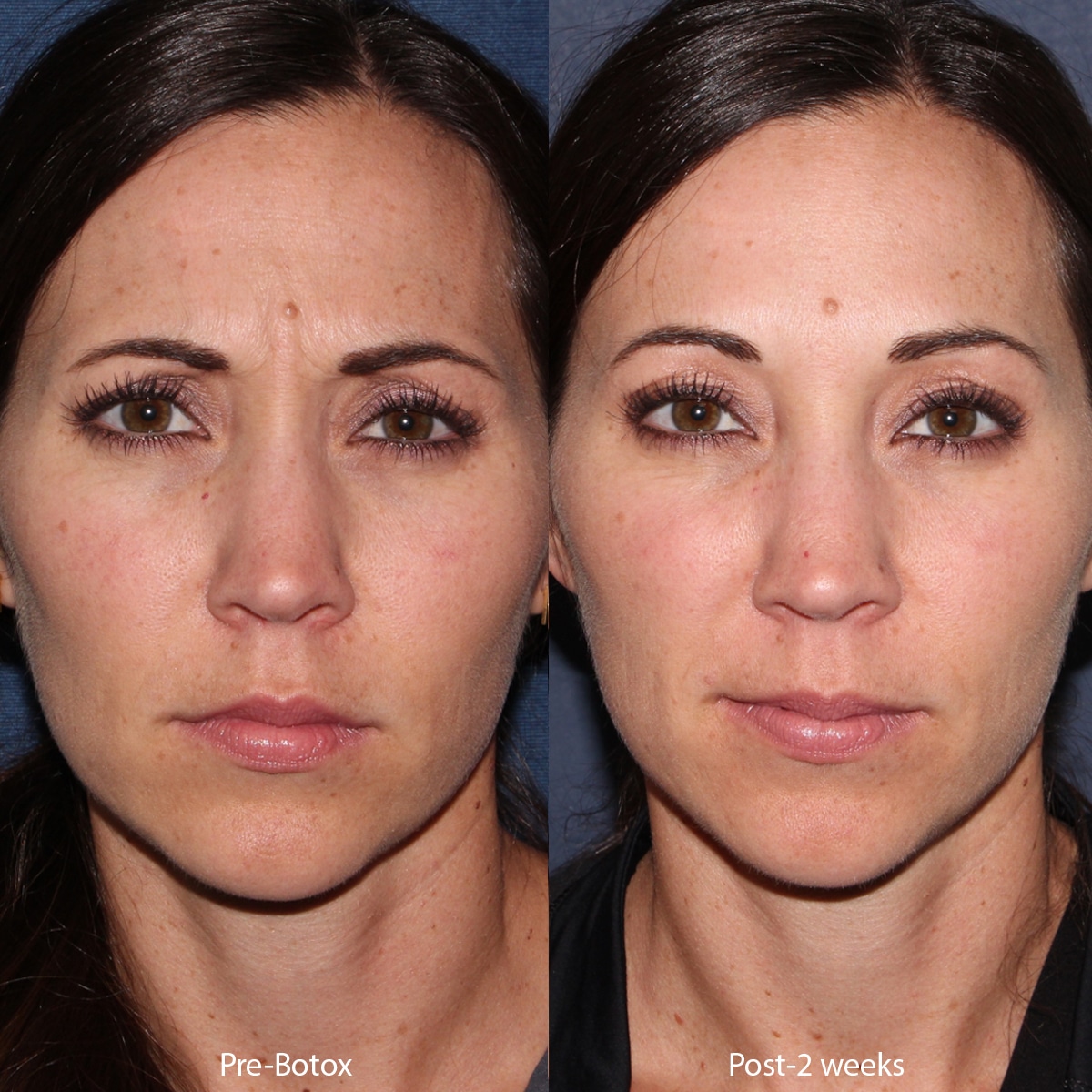
Frown lines, or glabellar lines, are vertical creases between the eyebrows caused by repeated contraction of the corrugator and procerus muscles. Targeted Botox injections relax these muscles, softening the vertical lines and producing a more approachable, rejuvenated appearance. When performed by qualified practitioners, Botox for frown lines has a strong safety and efficacy record; authoritative overviews are available from the Mayo Clinic.
Botox for Crow’s Feet
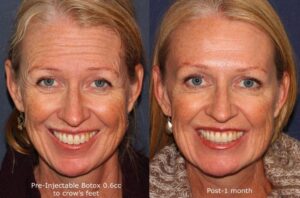
Crow’s feet are the radiating lines at the outer corners of the eyes produced by repeated smiling, squinting, and activity of the orbicularis oculi muscle. Botox relaxes these muscles, smoothing the outer eye area. Results commonly appear within days and last several months.
Botox for Forehead
Horizontal forehead lines stem from repeated contraction of the frontalis muscle. Strategic placement, which frequently complements Botox for frown lines, reduces muscle activity and softens forehead creases, yielding a refreshed upper-face appearance while preserving natural expressiveness when done conservatively.
Botox Under Eyes
Treating fine lines beneath the eyes requires careful technique due to the thin skin and delicate anatomy. When administered by specialists, Botox can smooth under-eye wrinkles and help prevent new lines by reducing excessive muscle contraction.
Botox for Lip Flip
A lip flip uses small Botox doses in the orbicularis oris to relax and slightly evert the upper lip. This creates a modest increase in visible upper lip without fillers, ideal for those seeking subtle enhancement.
Botox for Gummy Smile
When excessive gum shows during smiling due to hyperactive upper lip elevators, targeted Botox can reduce muscle activity and create a more balanced smile with less gingival display.
Botox for Jawline and Related Treatments
Botox is effective in lower-face contouring and in managing conditions related to jaw muscle overactivity.
Botox for Jawline
Injecting the masseter muscles can reduce hypertrophy and soften a square jawline, producing a slimmer, more tapered lower face. This approach also helps patients who clench or grind their teeth by reducing masseter tension and associated symptoms.
Botox for TMJ (Temporomandibular Joint Disorder)
TMJ disorders cause jaw pain, headaches, and difficulty chewing. Botox injections into the masseter and temporalis muscles can relieve tension and reduce clenching. Clinical studies support Botox’s benefit for TMJ-related pain and improved function; see research from the National Institutes of Health for further details.
Therapeutic Uses of Botox Beyond the Face
Beyond aesthetics, Botox is approved for multiple medical indications that address muscle overactivity and pain.
Botox for Migraines
Botox is FDA-approved for prevention of chronic migraine (15 or more headache days per month). It is administered in a series of injections across specific head and neck muscles to reduce the frequency and severity of migraine attacks. For authoritative guidance, consult the Mayo Clinic.
Botox for Neck Bands
Vertical platysmal bands in the neck can be softened with Botox injections into the platysma muscle. This reduces visible banding and improves neck contour as part of a comprehensive rejuvenation plan.
What to Expect During Treatment and Aftercare
A clear understanding of what to expect during treatment and aftercare for Botox for frown lines optimizes outcomes and minimizes risk.
Treatment Process
Consultation involves reviewing goals, medical history, and facial or muscular anatomy. The provider maps specific injection sites for Botox for frown lines and performs the procedure, a process that typically takes 10 to 30 minutes. Sensation is usually described as quick pinpricks with minimal discomfort.
Side Effects and Downtime
Common side effects include mild bruising, swelling, or redness at injection sites. Rare complications such as drooping eyelids or localized weakness can occur if injections are not placed correctly. There is minimal downtime for most patients, and daily activities can usually resume shortly after treatment.
Aftercare Tips
Avoid rubbing or massaging treated areas for several hours. Refrain from vigorous exercise and from lying flat for 3–4 hours post-injection. Follow your provider’s specific instructions to support optimal healing and outcomes.
Discuss your goals and full medical history with a licensed practitioner to personalize treatment—whether you are considering Botox for frown lines, jawline contouring, TMJ management, or migraine prevention.
Conclusion
Botox remains a versatile option for both cosmetic and therapeutic needs. Its established role as a premier solution for Botox for frown lines is complemented by effective applications for crow’s feet, forehead lines, jawline contouring, TMJ symptoms, and chronic migraine prevention. Outcomes are safest and most satisfactory when treatments are delivered by experienced, licensed professionals who tailor care to individual anatomy and goals.
If you are considering Botox for frown lines or any other cosmetic facial concern, consult an expert to review options and create a personalized plan that aligns with your expectations and health profile.
References
Mayo Clinic – Botox Overview: https://www.mayoclinic.org/tests-procedures/botox/about/pac-20384658
NIH – Botox for TMJ: https://www.ncbi.nlm.nih.gov/pmc/articles/PMC7324371/
Mayo Clinic – Botox for Migraines: https://www.mayoclinic.org/diseases-conditions/chronic-migraine/in-depth/botox-for-migraines/art-20291306
Beyond targeting specific facial areas like the glabella or forehead, a primary advantage of this treatment is its overall efficiency and safety profile. To fully understand what to expect and discover how these injections can fit into your anti-aging routine, explore our comprehensive guide on the benefits of Botox treatments. This quick, minimally invasive option delivers noticeable results with virtually no downtime, making it an ideal choice for maintaining a youthful, refreshed appearance.
Ready to Get Started?
Schedule your consultation with our expert team at Serene Med Spas today.