Understanding the Laser Tattoo Removal Process: A Comprehensive Guide
By Dr. Shweta Arora, MD
Published on December 24, 2025
In recent years, laser tattoo removal has emerged as the go-to solution for people seeking to remove unwanted ink. This guide explains how the process works, what to expect during treatment, and the factors that influence outcomes.
Introduction
Laser tattoo removal uses targeted laser energy to fragment tattoo ink into microscopic particles that the body’s immune system can gradually clear. As demand for removal grows, patients commonly ask about effectiveness, discomfort, and recovery timelines.
Understanding the Laser Tattoo Removal Process
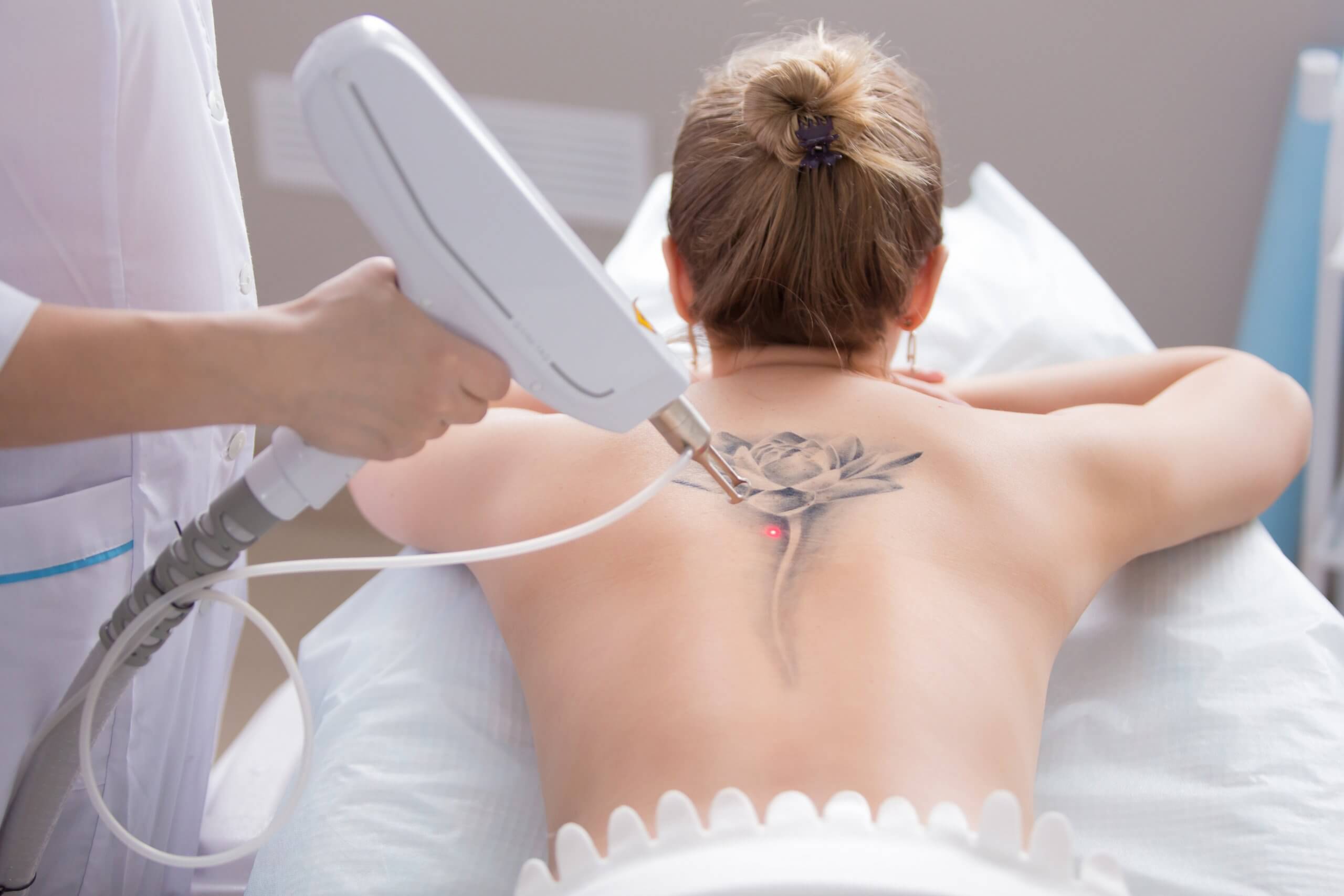
The procedure leverages high-intensity, short-pulse lasers tuned to specific wavelengths that are absorbed by tattoo pigments. When the laser energy is absorbed, the ink particles heat and shatter into smaller fragments that immune cells can remove over time.
Laser Tattoo Removal Process : How it Works
• High-intensity laser pulses target specific ink particles
• The laser breaks these particles into microscopic fragments
• Your body’s immune system gradually removes these fragments
Compared with older methods such as dermabrasion or chemical approaches, laser treatment offers greater precision, reduced scarring risk, and better protection of surrounding tissue.
For a technical overview and clinical context, see the review on the NCBI Bookshelf: ncbi.nlm.nih.gov/books/NBK442007
Does Laser Tattoo Removal Process Work?
Clinical studies and clinical experience indicate that laser tattoo removal process is effective for most tattoos, though outcomes vary. Factors that influence success include ink composition, color, depth, skin type, tattoo age, and the individual immune response. Complete removal is achievable in many cases, but realistic expectations are important.
Can All Tattoos Be Removed?
Not every tattoo responds the same way. Key considerations include ink color, age of the tattoo, and location on the body:
Ink Colors and Response
• Black and dark blue pigments typically respond best to laser wavelengths.
• Green and yellow pigments are often more challenging and may require additional sessions or different lasers.
• Multi-colored tattoos may need multiple wavelengths to target each pigment effectively.
Age and Location
• Older tattoos often fade more readily because some ink has already been broken down by the body over time.
• Tattoos on areas with stronger circulation (torso, head, neck) typically clear faster than those on extremities.
For clinical details on predictors of response, refer to the NCBI summary: ncbi.nlm.nih.gov/books/NBK442007
Laser Tattoo Removal Process : Before and After
Healing and fading follow a predictable pattern, though individual experiences vary. A common timeline looks like this:
Week 1: Initial redness, swelling, possible blistering, and early scabbing.
Weeks 2–3: Scabs typically begin to fall off; noticeable fading appears and the skin starts to normalize.
For patient-oriented before-and-after guidance, see the Healthline overview: healthline.com/health/tattoo-removal
Best Laser Tattoo Removal Process
Laser removal is widely regarded as the gold standard because it targets ink precisely while minimizing damage to surrounding skin. Alternative approaches such as surgical excision, dermabrasion, or chemical methods carry higher risks and generally produce less predictable results.
For an authoritative patient resource on treatment options and risks, consult the Mayo Clinic summary: mayoclinic.org/tests-procedures/tattoo-removal
How Many Sessions Are Typically Needed?
Most patients require multiple sessions to achieve significant fading. Typical expectations:
• Average: 6–9 sessions
• Session spacing: 6–8 weeks between treatments to allow healing and immune clearance
• Total timeline: commonly 6–12 months from first treatment to final results
Factors that modify the number of sessions include tattoo size, ink density and colors, skin type, and individual healing response. For patient-focused guidance, see WebMD: webmd.com/skin-problems-and-treatments/laser-tattoo-removal
Choosing a Provider
When searching for a provider, prioritize board-certified dermatologists or licensed practitioners experienced in laser tattoo removal. Look for modern laser equipment, clear before/after portfolios, and transparent consultations that outline risks and expected outcomes.
Clinical reviews also emphasize the importance of experienced operators and appropriate laser selection: ncbi.nlm.nih.gov/books/NBK442007
Is Laser Tattoo Removal Process Painful?
Pain perception varies, but most patients compare the sensation to a rubber-band snap. Pain management options commonly used include topical anesthetic creams, local anesthetics, and cooling systems that make treatments more comfortable.
For practical information on comfort and pain mitigation, see the Mayo Clinic overview: mayoclinic.org/tests-procedures/tattoo-removal
“Laser tattoo removal is a progressive process—patience, realistic expectations, and consistent treatment often yield the best outcomes.”
Tattoo Removal Success Rate
Success rates depend on pigment color, depth, and patient factors. Typical results reported in clinical literature include high fading rates for black ink and more variable results for colored pigments.
For a scientific perspective on outcomes and predictors, consult the NCBI summary: ncbi.nlm.nih.gov/books/NBK442007
Conclusion
Laser tattoo removal is currently the most effective and commonly used method for reducing or removing unwanted tattoos. While complete removal is not guaranteed in every case, most people achieve significant fading with appropriate treatment planning and adherence to aftercare instructions.
Your Next Steps
1. Schedule a consultation with a certified provider to evaluate your tattoo.
2. Prepare questions about ink type, expected sessions, pain management, and aftercare.
3. Document your tattoo’s current appearance with photos for tracking progress.
4. Discuss a personalized treatment plan and realistic outcome expectations with your provider.
This information is educational and not a substitute for personalized medical advice. Consult with a qualified healthcare professional before beginning treatment.
Ready to Get Started?
Schedule your consultation with our expert team at Serene Med Spas today.