
What is Botox? Understanding the Treatment for Wrinkles
By Stephanie Welker, NP
Published on November 4, 2025
If you’re wondering what is Botox and whether it can help reduce wrinkles, you’re not alone. As one of the most widely performed cosmetic treatments, Botox offers a non-surgical option to soften dynamic lines and refine facial expression. This guide explains what Botox is, how it works, its benefits, safety considerations, and who may be a good candidate.
What is Botox?
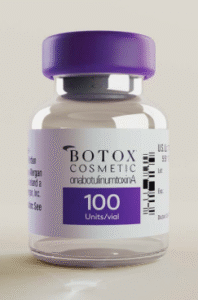
Botox is a purified form of botulinum toxin type A produced by the bacterium Clostridium botulinum. When people ask, “What is Botox used for?”, the answer is simple: It is used in small, controlled doses to temporarily reduce muscle activity that causes visible dynamic wrinkles. Since its cosmetic approval in the early 2000s, it has become a commonly chosen option for people seeking subtle, temporary wrinkle reduction without surgery.
“Botox is a purified protein that works by reducing muscle contractions that contribute to lines and creases, offering a non-surgical approach to smoothing facial expressions.”
How Does Botox Work?
Botox acts at the neuromuscular junction to block the release of acetylcholine, a neurotransmitter that signals muscles to contract. By interrupting this signal in targeted muscles, Botox reduces repetitive muscle activity and smooths the overlying skin. Effects usually begin to appear within a few days and most patients see benefits lasting roughly three to six months, depending on the area treated and individual response.
Typical treatment effects
Patients commonly notice reduced movement in the treated area, softer appearance of dynamic lines (such as frown lines, forehead lines, and crow’s feet), and prevention of new wrinkle formation while the effect lasts.
Benefits of Botox
People researching what is Botox used for are often surprised by its versatility.
• Short treatment sessions — most appointments take 15–30 minutes, making it convenient for busy schedules.
• Minimal downtime — most people return to normal activities shortly after treatment.
• Fast results — improvements often appear within days.
• Temporality — effects are temporary, allowing treatment plans to be adjusted over time.
In addition to cosmetic uses, Botox is an established therapeutic option for several medical conditions, including chronic migraine, hyperhidrosis (excessive sweating), and certain muscle spasm disorders.
For a concise overview of clinical uses and considerations, see the MedlinePlus summary on Botox: MedlinePlus — Botox.
Is Botox Safe?
When administered by trained, qualified clinicians, Botox has a strong safety record. Common side effects are generally mild and transient, including minor bruising, slight swelling, short-lived discomfort at the injection site, and occasional headaches. Serious complications are uncommon and are most often associated with improper technique or dosing.
The U.S. Food and Drug Administration provides consumer guidance on cosmetic Botox use and safety considerations: FDA — Botox Cosmetic: What You Should Know.
Common side effects
Most patients experience only mild, short-term effects such as localized bruising or tenderness. Any unexpected or severe symptoms should prompt contact with a healthcare professional.
Who Should Get Botox?
Good candidates are healthy adults with visible dynamic lines who want non-surgical wrinkle reduction. If you’re trying to decide what is Botox best suited for, it primarily treats expression-related creases.
When to avoid Botox
Botox is not recommended for people who are pregnant or breastfeeding, those with certain neuromuscular disorders, active skin infections at the injection site, or known allergies to any formulation ingredients. A thorough medical history and consultation with a qualified provider will help determine suitability.
Best Age to Start Botox
There is no universally correct age to begin Botox. Many people start in their late 20s to early 40s, often guided by visible wrinkle development, skin quality, and personal aesthetic goals. Some pursue “preventative” treatments earlier to limit the formation of deep dynamic lines.
For more on timing and long-term considerations, refer to peer-reviewed discussions such as this review: NCBI — Preventative Use of Botox (review).
Botox vs Fillers
Understanding the difference between Botox and dermal fillers helps set expectations and choose appropriate treatments:
Botox — relaxes muscles; most effective for dynamic wrinkles; results typically last 3–6 months; commonly used on the upper face.
Dermal fillers — restore volume and smooth static lines; effects can last 6–18 months or longer depending on the product; often used in the mid and lower face.
Botox for Forehead Lines
Forehead lines and glabellar (frown) lines are common targets for Botox. Properly placed injections can smooth horizontal forehead creases and reduce the vertical lines between the brows while preserving natural facial movement when dosed conservatively.
The Mayo Clinic provides an overview of Botox for cosmetic use, including what to expect during treatment: Mayo Clinic — Botox.
Important Considerations Before Getting Botox
Before pursuing treatment, take these steps to maximize safety and satisfaction:
1. Research and verify the credentials of providers.
2. Schedule a consultation to discuss goals and expectations.
3. Share your full medical history, including medications and prior procedures.
4. Understand the likely maintenance schedule and costs for follow-up treatments.
5. Follow pre- and post-treatment guidance to minimize side effects and optimize results.
Successful outcomes depend on provider expertise, appropriate dosing, adherence to aftercare instructions, and individual biological response.
Conclusion
Botox remains a leading non-surgical option for addressing dynamic facial wrinkles, with a well-established safety profile when performed by trained clinicians. It offers predictable, temporary results that can be tailored over time to match evolving aesthetic goals.
If you are considering Botox, take time to research, consult with an experienced provider, and set realistic expectations for maintenance and outcomes. For authoritative consumer information, review resources such as the FDA and MedlinePlus pages linked above.
Ready to Get Started?
Schedule your consultation with our expert team at Serene Med Spas today.